 EN
EN
 AR
AR
 HR
HR
 CS
CS
 DA
DA
 NL
NL
 FI
FI
 FR
FR
 DE
DE
 EL
EL
 IT
IT
 JA
JA
 KO
KO
 NO
NO
 PL
PL
 PT
PT
 RO
RO
 RU
RU
 ES
ES
 SV
SV
 TL
TL
 ID
ID
 UK
UK
 VI
VI
 HU
HU
 TH
TH
 TR
TR
 MS
MS
 GA
GA
 BE
BE
 UR
UR
 BN
BN
 BS
BS
 LO
LO
 MN
MN
 NE
NE
 SO
SO
 KK
KK
 UZ
UZ
 KY
KY

Introduction
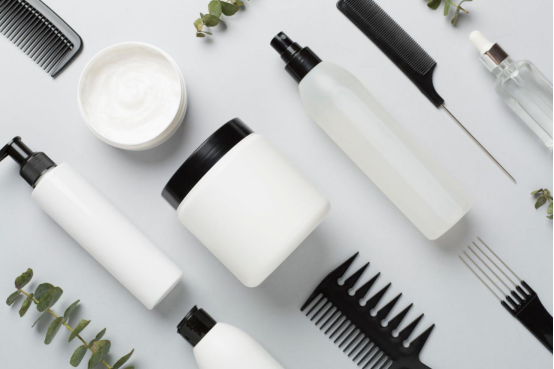
Healthy-looking hair requires more than daily washing and styling.
Today, consumers are facing increasing hair problems caused by:
- Frequent hair coloring
- Bleaching
- Heat styling
- Environmental pollution
- Lack of moisture
Hair coloring, chemical treatments, and excessive heat styling can weaken hair and increase the risk of breakage. Dermatologists recommend gentle hair care practices to help reduce damage.
Learn more:
American Academy of Dermatology - How to stop damaging your hair
As a result, hair repair treatments have become one of the fastest-growing categories in the global beauty industry.
Among all repair products, two products are often compared:
Hair Mask vs Hair Conditioner
Although both products improve hair softness and manageability, they serve different purposes.
Understanding the difference helps consumers choose the right solution and helps beauty brands develop better product portfolios.
→ Hair Repair Product Collection
1. What Is a Hair Conditioner?
Hair conditioner is a daily hair care product designed to improve the surface condition of hair.
Its main functions include:
✔ Smoothing the hair cuticle
✔ Reducing tangles
✔ Improving softness
✔ Adding shine
Conditioners usually contain lightweight ingredients such as:
- Silicone alternatives
- Plant oils
- Fatty alcohols
- Conditioning agents
They are suitable for:
- Daily maintenance
- Normal hair
- Slightly dry hair
However, conditioners mainly work on the outside layer of the hair.
According to dermatologists, proper cleansing, conditioning, and heat protection are important steps for maintaining healthier-looking hair.
Learn more about dermatologist-recommended hair care practices here:
Healthy Hair Care Tips
2. What Is a Hair Mask?
A hair mask is a more intensive treatment designed for deeper nourishment and repair.
Compared with regular conditioner, hair masks usually contain higher concentrations of active ingredients.
Common ingredients include:
Keratin Protein
Helps improve:
- Hair strength
- Elasticity
- Smoothness
Natural Oils
Popular repairing oils:
- Argan oil
- Coconut oil
- Jojoba oil
- Rosemary oil
Benefits:
- Reduce dryness
- Improve shine
- Control frizz
Amino Acids
Amino acids help support healthier-looking hair by providing conditioning and moisture benefits.
3. Hair Mask vs Conditioner: Key Differences
| Feature | Hair Conditioner | Hair Mask |
|---|---|---|
| Usage frequency | Daily | 1-2 times per week |
| Main purpose | Smooth & protect | Deep repair & nourish |
| Texture | Lightweight | Rich & intensive |
| Best for | Normal hair | Damaged hair |
| Treatment level | Surface care | Intensive care |
4. Which Product Is Better for Damaged Hair?
For severely damaged hair caused by:
- Bleaching
- Frequent coloring
- Chemical treatments
- Heat styling
A hair mask is usually the better choice.
A professional repair hair mask can provide:
Deep Moisture
Helps restore moisture balance.
Damage Care
Improves the appearance of dry and brittle hair.
Better Hair Texture
Makes hair feel smoother and easier to manage.
5. Why Hair Masks Are Becoming Popular in Global Markets?
The global beauty market is shifting from simple cleaning products toward treatment-focused solutions.
Consumers are increasingly searching for:
- Clean beauty ingredients
- Natural extracts
- Professional salon results
- At-home hair spa experiences
Business of Fashion Beauty Industry Coverage
Popular trends include:
1. Botanical Hair Repair
Ingredients such as:
- Rosemary extract
- Aloe vera
- Ginseng
- Green tea
are increasingly popular.
2. Protein Repair Technology
Keratin and amino acid-based products are widely used in professional hair care.
3. Customized Hair Solutions
Brands are developing products for:
- Dry hair
- Colored hair
- Curly hair
- Damaged hair
Suggested authority source:
Add link to:
Cosmetics industry trend report / professional beauty research
Anchor text:
"latest global hair care trends"
6. How Brands Choose the Right Hair Mask Manufacturer?
For beauty brands, selecting a reliable manufacturing partner is essential.
A professional OEM hair mask manufacturer should provide:
Formula Development
Ability to customize:
- Ingredients
- Texture
- Fragrance
- Function
Packaging Solutions
Including:
- Jar packaging
- Tube packaging
- Private label solutions
Quality Control
Professional cosmetic manufacturers should follow strict safety and quality standards throughout product development and production.
Reference:
Important processes include:
- Stability testing
- Safety evaluation
- Production quality management
With more than 20 years of experience in hair care manufacturing, we provide OEM and ODM solutions for global brands, distributors, and salons.
7. How to Use Hair Mask Correctly?
Recommended steps:
Step 1-Wash hair with shampoo.
Step 2-Remove excess water.
Step 3-Apply hair mask evenly from mid-length to ends.
Step 4-Leave for 5-15 minutes.
Step 5-Rinse thoroughly.
For damaged hair, regular use can help improve softness and manageability.
FAQ:Hair Mask & Conditioner
Q1: Can I replace conditioner with a hair mask?
Yes, but hair masks are usually designed for intensive care rather than daily use.
Q2: How often should I use a hair mask?
Most users can apply a hair mask once or twice per week.
Q3: Is a hair mask good for colored hair?
Yes. Many hair masks are specially formulated to help maintain moisture and improve the appearance of color-treated hair.
【Internal Link Placement】
Link:
"Color Protection Hair Care Collection"
Q4: What is the best ingredient for damaged hair?
Popular ingredients include:
- Keratin
- Amino acids
- Natural oils
- Botanical extracts
Q5: Can brands customize hair masks?
Yes. Professional OEM manufacturers can customize:
- Formula
- Packaging
- Fragrance
- Product positioning
Conclusion
Hair masks and conditioners both play important roles in modern hair care routines.
While conditioners provide daily softness and protection, hair masks deliver deeper nourishment and repair benefits.
For beauty brands looking to enter the growing hair repair market, developing high-quality hair masks with professional manufacturing support can create strong market opportunities.
With advanced formulation capabilities and more than 20 years of manufacturing experience, we help global partners create customized hair care products.
Table of Contents
- Keratin Protein
- Natural Oils
- Amino Acids
- 1. Botanical Hair Repair
- 2. Protein Repair Technology
- 3. Customized Hair Solutions
- Formula Development
- Packaging Solutions
- Quality Control
- Q1: Can I replace conditioner with a hair mask?
- Q2: How often should I use a hair mask?
- Q3: Is a hair mask good for colored hair?
- Q4: What is the best ingredient for damaged hair?
- Q5: Can brands customize hair masks?